• PC: Disha Doshi

    “It is said Hell has three gates Lust, greed and anger. But Lie plays an important role in getting close to the hell…

    A very very interesting and engaging story. It’s witty and full of practical knowledge which should be learnt to live in this deceptive world. The book is in easy language and the way it’s written I am quite impressed it’s suspense with a tinge of wittiness. I really enjoyed this one. This should be read by everyone to know the reality of this fake world.”- Mannat Chaudhary.

    “Well, to me, this very book served well enough with its purpose to bring me back my lost hope. After failing in different phases of life one after another, I’ve been mostly dedicated towards work and nothing else where as the likings to have a group of friends to hang out with, and to have someone to count over, was a thing I stopped believing in. Through the heart’s binoculars, author has seen a completely different world of pain, grief, emotions and shades of happiness which comes when one decides to take a new step ahead. Books like such simply turn into a specialised form of read with its own way of making space in the mind of reader. Being a Con artist, the protagonist who faced more than just devastation around in life, the character description and role-play of this lead character in the book required way too much of attention which the author succeeded with, to a height great enough. The simple combination of pain and sadness in the book is mixed up to blend in with a beautiful way which I really enjoyed throughout the book.” – Dhatri

    Ms Chaudhary got the Biblical reference implied in the title right and is probably justified calling the world a deceptive one, necessitating the understanding the underlying of any attractive proposition in order to steer clear of frauds.

    With the count of Amazon reviews touching 63 while curating this story (on January 22, 2022 barely two months since the release), I could have gone on bragging about the 97% positive reviews the book has received, but this one by Dhatri (name as appearing in the reviews) meant a lot to me as the reviewer has clearly identified with at least one of the characters in the story. She further could appreciate a completely different aspect of this apparent con story in the emotional attachment and support one finds from unexpected sources that appear at the most difficult of times. With these reviews and several others which you can find on Amazon, I feel vindicated in my attempt to explore human emotions while narrating a story that essentially offers enough distractions of a more thrilling nature. The current average rating of the book is 4.4/5 (4.39 in Goodreads) if that helps you decide to place an order.

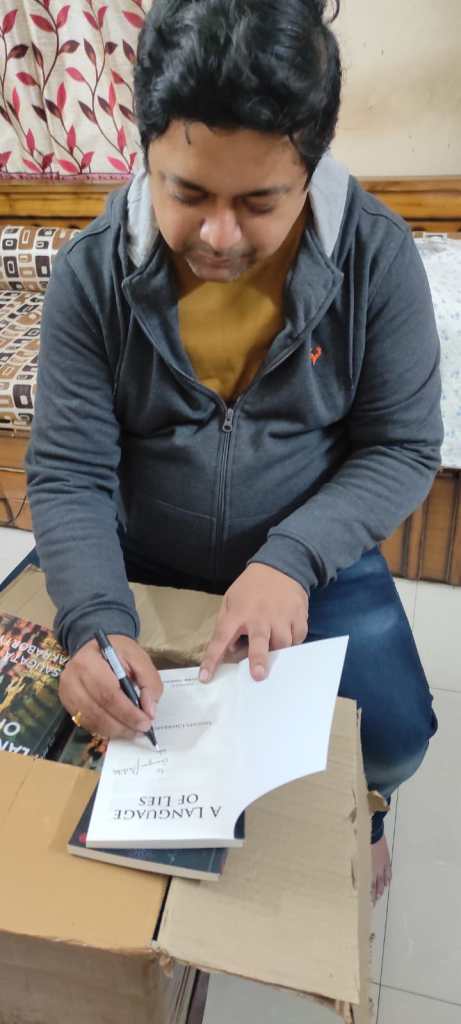
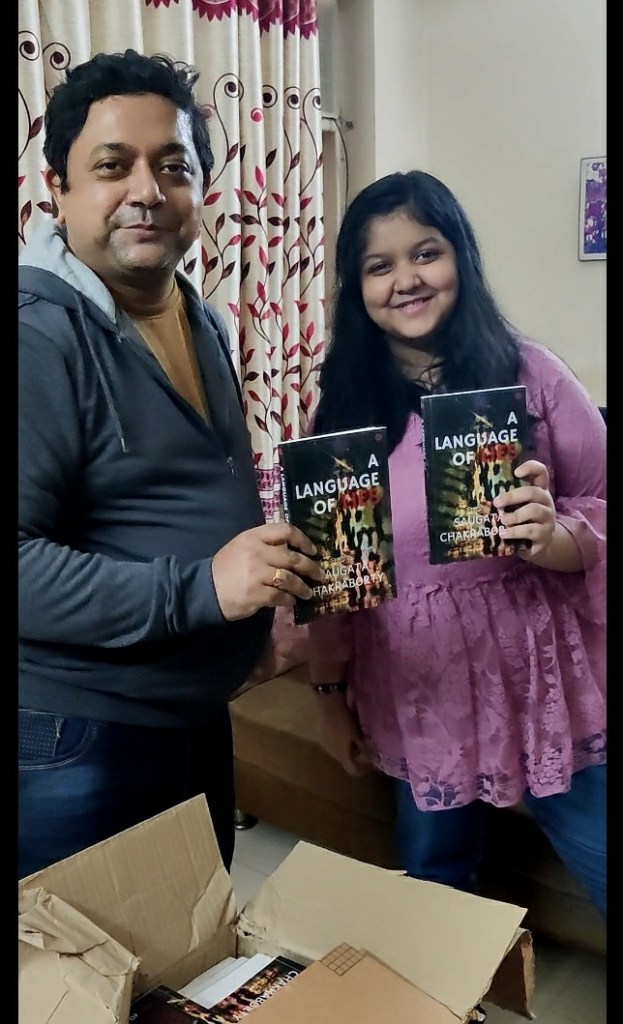
  • Gungun with the first print copy
    The box full of lies?
    Gungun insisted on getting the copy signed.
    I also get to pose.

    PC: Sharmi

    I had started working on the project in September, 2019, soon after the news of the apprehension of one Anthony Gignac (Sean Brignac in the book) by the FBI came in. After the success of ‘They Go to Sleep’ on online platforms that could not be replicated at physical bookstores due to lack of distribution channels, I was determined to go with a traditional publisher this time around. It implied a longer waiting period for the publication, and so I had my sight on 2022 as the tentative deadline. On the western front, Mr. Gignac, as always, turned out to be a tough nut when the case went to the Courts and the final judgment came as late as in March this year. One thing I was certain of by then. The book had become a saga of human emotions rather than being a con story I aspired to write.

    Then the pandemic had delivered its mighty blow. After battling it out for a fortnight, Dad started showing symptoms of giving up. The end came on May 8. For a couple of months, time stood still. I had to break out of the self-imposed circle of despair. With the epilogue written, it was time to have a look at the shortlist of publishers that I was to approach. Mr Guntur Srinivas Sharma, Head-Publications, Invincible Publishers was the fastest to evince interest. The feedback on the synopsis and sample chapters came within a week from their editors. They were good to take me on board, I was told. Three rounds of editing followed the August signing of agreement. During the Puja holidays spent in the south, the cover ideas were getting sent and back. From ‘The Sheikh who Never Was’, through the more on the face ‘The Prince of Fraud’, emerged the final title in ‘A Language of Lies’. The marketing team by then had started asking for the date to commence pre-orders. Could that be scheduled for November 1, what would have been the 78th birthday of Dad, I asked. The affirmation was positive.

    The deluge of photos of the book-mails received from friends, and colleagues gave rise to another issue at home. Gungun was perturbed that she did not get her hands on the first copy ever. Yesterday when the box was opened, despite that drawback , she however had agreed to the photo op. Now I can freely wish to see loads of those photos and videos.

    Enjoy reading ‘A Language of Lies’ and please upload your reviews. Will tell in the reason behind this request in the upcoming blog.

  • “āĻ…āĻ¨ā§āϧāϜāύ⧇ āĻĻ⧇āĻš āφāϞ⧋”
    āĻ•āϞāĻ•āĻžāϤāĻžāϰ āĻŦāĻžāϤāĻžāϏ⧇ āύāĻžāύāĻžāύ āϰ⧋āĻ—āĻœā§€āĻŦāĻžāϪ⧁ āϭ⧇āϏ⧇ āĻŦ⧇āĻĄāĻŧāĻžāϝāĻŧ, āĻāϤ⧇ āύāϤ⧁āύ āĻ•āĻŋāϛ⧁ āύ⧇āχāĨ¤ āĻļā§€āϤ⧇āϰ āϟāĻžāύ āĻĒāĻĄāĻŧ⧇āϛ⧇ āϚāĻžāĻŽāĻĄāĻŧāĻžāϝāĻŧ, āĻĢāĻžāϟāĻžāĻĢ⧁āϟāĻŋ āĻĻāĻŋāϝāĻŧ⧇ āϤ⧇āĻŽāύāχ āϕ⧋āύ⧋ āĻœā§€āĻŦāĻžāϪ⧁āĻŦāĻžāĻŦāĻžāϜāĻŋ āĻĸ⧁āϕ⧇ āĻĒāĻĄāĻŧ⧇āĻ›āĻŋāϞ āĻĄāĻžāύ āφāρāĻ–āĻŋāĻĒāĻ˛ā§āϞāĻŦ⧇āĨ¤āϰāĻ•āĻŋ āĻŦāĻžāϞāĻŦā§‹āϝāĻŧāĻžāϰ āĻŽā§āϝāĻžāĻšā§‡āϰ āĻĒāϰ⧇āϰ āĻŽāϤ⧋ āĻšā§‹āĻ– āύāĻŋāϝāĻŧ⧇ āĻ—ā§ƒāĻšāĻŦāĻ¨ā§āĻĻā§€ āĻĨāĻžāĻ•āϤ⧇ āĻšāϝāĻŧ⧇āĻ›āĻŋāϞ⧋ āϏāĻĒā§āϤāĻžāĻšāĻ–āĻžāύ⧇āĻ•āĨ¤ āĻŦāĻĄāĻŧ āĻĄāĻžāĻ•ā§āϤāĻžāϰāĻŦāĻžāĻŦ⧁āϕ⧇ āĻĻ⧇āĻ–āĻžāĻŦā§‹ āĻŦāϞ⧇ āĻāĻ•āĻĻāĻŋāύ āϗ⧇āĻ›āĻŋ āĻŦāĻžāĻĄāĻŧāĻŋāϰ āĻ•āĻžāϛ⧇āχ āĻĄ. āύ⧀āĻšāĻžāϰ āĻŽā§āĻ¨ā§āϏ⧀ āφāχ āĻĢāĻžāωāĻ¨ā§āĻĄā§‡āĻļāύ⧇āĨ¤ āĻ“āϝāĻŧ⧇āϟāĻŋāĻ‚ āĻšāϞ⧇ āφāĻŽāĻžāϰ āĻĒāĻžāĻļ⧇ āĻāϏ⧇ āĻŦāϏāϞ⧇āύ āĻāĻ• āĻŦāĻ›āϰ āĻĒāρāϝāĻŧāĻ¤ā§āϰāĻŋāĻļ⧇āϰ āĻ­āĻĻā§āϰāϏāĻ¨ā§āϤāĻžāύāĨ¤ āϤāĻ–āύ āϖ⧇āϝāĻŧāĻžāϞ āĻ•āϰāĻŋāύāĻŋ, āĻĄāĻžāύāĻĻāĻŋāĻ•ā§‡Â  “āĻ…āĻĒāĻžāĻ™ā§āϗ⧇ āĻĻ⧇āĻ–āĻž”āϰ āĻĒā§āϰāĻļā§āύāχ āύ⧇āχ, āĻ•āĻŋāĻ¨ā§āϤ⧁ āĻ•āĻĨā§‹āĻĒāĻ•āĻĨāύ āĻļ⧁āύ⧇ āĻŦ⧁āĻāϞāĻžāĻŽ āφāĻŽāĻžāĻĻ⧇āϰ āĻĒ⧇āĻ›āύ⧇āϰ āϏāĻžāϰāĻŋāϤ⧇āχ āĻ“āύāĻžāϰ āĻŦāĻžāĻŦāĻž āĻāĻŦāĻ‚ āĻ¸ā§āĻ¤ā§āϰ⧀ āĻŦāϏ⧇āϛ⧇āύāĨ¤ āĻŦ⧃āĻĻā§āϧ⧇āϰ āĻ›āĻžāύāĻŋāϰ āĻ…āĻ¸ā§āĻ¤ā§āϰ⧋āĻĒāϚāĻžāϰ āĻšāϝāĻŧ⧇āϛ⧇ āĻĻāĻŋāύāĻ•āϝāĻŧ⧇āĻ• āφāϗ⧇, āĻĢāϞ⧋ āφāĻĒ⧇āϰ āϜāĻ¨ā§āϝ āĻŦ⧌āĻŽāĻž āĻ—āĻžāĻĄāĻŧāĻŋ āϚāĻžāϞāĻŋāϝāĻŧ⧇ āύāĻŋāϝāĻŧ⧇ āĻāϏ⧇āϛ⧇āύ āĻ•ā§āϞāĻŋāύāĻŋāϕ⧇āĨ¤
    “āĻāĻ–āĻžāύ⧇ āφāϏāĻžāϰ āĻ…āĻ¨ā§āϝ āϕ⧋āύāĻ“ āϰāĻžāĻ¸ā§āϤāĻž āύ⧇āχ, āĻŦāĻžāĻŦāĻž? āĻāχ āĻŦāĻ¸ā§āϤāĻŋāϰ āϰāĻžāĻ¸ā§āϤāĻžāϟāĻž āϝāĻž āĻĄā§‡āĻžā§āϜāĻžāϰāĻžāϏāĨ¤”āφāĻŽāĻžāϰ āĻĒāĻžāĻļ⧇āϰ āĻ­āĻĻā§āϰāϞ⧋āĻ•āϟāĻŋāϕ⧇āĻ“ āĻļ⧁āύāϞāĻžāĻŽ āϏāĻžāϝāĻŧ āĻĻāĻŋāĻšā§āϛ⧇āύāĨ¤ āĻŦ⧃āĻĻā§āϧ āĻŦāϞāϞ⧇āύ,”āφāϛ⧇, āϤāĻŋāύ-āϚāĻžāϰ āĻ­āĻžāĻŦ⧇ āφāϏāĻž āϝāĻžāϝāĻŧ, āĻ•āĻŋāĻ¨ā§āϤ⧁ āĻ…āύ⧇āĻ• āĻ—āϞāĻŋāϟāϞāĻŋ, āφāĻŽāĻŋ āϤ⧋ āĻĻ⧇āĻ–āϤ⧇ āĻĒāĻžāϰāĻ›āĻŋ āύāĻž, āĻŦāϞ⧇ āĻĻāĻŋāϤ⧇ āĻĒāĻžāϰāϤāĻžāĻŽ āύāĻžāĨ¤”

    “āφāϰ⧇ āĻ…āĻĒāĻžāϰ⧇āĻļāύ⧇āϰ āĻĻāĻŋāύ⧇āĻ“ āĻĻ⧇āĻ–āϞāĻžāĻŽ, āφāϜāϕ⧇āĻ“ āĻāĻ• āĻŽāĻšāĻŋāϞāĻž āĻšāĻ āĻžā§Ž āĻ•āϰ⧇ āĻ—āĻžāĻĄāĻŧāĻŋāϰ āϏāĻžāĻŽāύ⧇ āĻāϏ⧇ āĻĒāĻĄāĻŧāϞ⧋āĨ¤ āĻāĻĻ⧇āϰ āϕ⧋āύ⧋ āϏ⧇āĻ¨ā§āϏ āύ⧇āχ! āφāĻŽāĻŋ āϏāĻžāĻŦāϧāĻžāύ⧇āχ āϚāĻžāϞāĻžāĻšā§āĻ›āĻŋāϞāĻžāĻŽ, āĻœā§‹āϰ⧇ āĻŦā§āϰ⧇āĻ• āĻĻāĻŋāϤ⧇ āĻšāϞ⧋ āĻļ⧁āϧ⧁āĻŽā§āϧ⧁”āĨ¤

    “āϏāĻŦ āϤ⧋ āĻ–ā§‹āĻŸā§āϟāĻž! āϜāĻŦāϰāĻĻāĻ–āϞ āĻ•āϰ⧇ āĻŦāϏ⧇āϛ⧇ āĻāĻ–āĻžāύ⧇ āϰāĻžāĻ¸ā§āϤāĻžāϰ āϧāĻžāϰ⧇, āĻĻ⧇āĻ–āύāĻŋ? āϝ⧇āĻ–āĻžāύ⧇ āϝāĻžāĻŦ⧇ āĻŽā§‡āĻ¸ā§ āĻ•āϰ⧇ āϰ⧇āϖ⧇ āĻĻ⧇āĻŦ⧇āĨ¤ āĻāĻĻ⧇āϰ āφāĻŦāĻžāϰ āϏ⧇āĻ¨ā§āϏ! āĻ•āĻŋāĻ¨ā§āϤ⧁ āĻ—āĻžāĻĄāĻŧāĻŋ āϝāĻĻāĻŋ āϕ⧋āύ⧋ āĻ•āĻžāϰāϪ⧇ āĻāĻ•āϟ⧁ āϟāĻžāϚāĻ“ āĻšāϝāĻŧ⧇ āϝāĻžāϝāĻŧ, āϤāĻžāĻšāϞ⧇ āϤ⧋āĻŽāĻžāϕ⧇ āĻ•āĻŋāĻ¨ā§āϤ⧁ āĻļ⧇āώ āĻ•āϰ⧇ āĻĻ⧇āĻŦ⧇! āϤāĻžāχ āφāĻŽāĻžāĻĻ⧇āϰāϕ⧇āχ āϏāĻžāĻŦāϧāĻžāύ⧇ āϚāϞāĻžāϤ⧇ āĻšāϝāĻŧ”, āφāĻŽāĻžāϰ āĻĒāĻžāĻļ⧇āϰ āϜāύ āϝ⧋āĻ— āĻ•āϰ⧇āύāĨ¤

    “āϏāĻ¤ā§āϝāĻŋ! āĻ­ā§‹āĻŸā§‡āϰ āϜāĻ¨ā§āϝ āϰ⧇āϖ⧇ āĻĻāĻŋāϝāĻŧ⧇āϛ⧇ āĻāχ āĻŦāĻ¸ā§āϤāĻŋāϗ⧁āϞ⧋āĨ¤ āĻ¨ā§āϝ⧁āχāĻ¸ā§āϝāĻžāĻ¨ā§āϏ āĻ­ā§āϝāĻžāϞ⧁ āϏāĻŦāĨ¤” āĻ­āĻĻā§āϰāĻŽāĻšāĻŋāϞāĻžāϰ āĻĻ⧇āĻ–āϞāĻžāĻŽ āϤāĻ–āύ⧋ āϰāĻžāĻ— āĻ•āĻŽā§‡āύāĻŋāĨ¤

    “āϤ⧋āĻŽāϰāĻž āϝ⧇āϟāĻžāϕ⧇ āĻŦāĻ¸ā§āϤāĻŋ āĻŦāϞāϛ⧋, āĻ“āϗ⧁āϞ⧋ āĻŽā§āϝ⧁āύāĻŋāϏāĻŋāĻĒā§āϝāĻžāϞāϟāĻŋāϰ āϕ⧋āϝāĻŧāĻžāĻ°ā§āϟāĻžāĻ°ā§āϏ āφāϏāϞ⧇āĨ¤” āĻāĻŦāĻžāϰ⧇ āĻŦ⧃āĻĻā§āϧ⧇āϰ āĻ—āϞāĻž āĻļ⧁āύāϤ⧇ āĻĒāĻžāχāĨ¤

    “āϐ āĻāĻ•āϤāϞāĻž āĻā§āĻĒāĻĄāĻŧāĻŋāϰ āĻŽāϤ⧋ āĻŦāĻžāĻĄāĻŧāĻŋāϗ⧁āϞ⧋ āϕ⧋āϝāĻŧāĻžāĻ°ā§āϟāĻžāĻ°ā§āϏ?”

    “āĻšā§āϝāĻžāρāĨ¤ āĻŽā§āϝ⧁āύāĻŋāϏāĻŋāĻĒā§āϝāĻžāϞāϟāĻŋāϰ āϏ⧁āχāĻĒāĻžāϰāĻĻ⧇āϰāĨ¤ āϐ āϝ⧇ āϏāĻ•āĻžāϞ⧇ āĻŦāĻžāρāĻļāĻŋ āĻŦāĻžāϜāĻŋāϝāĻŧ⧇ āφāϏ⧇ āύāĻž āφāĻŦāĻ°ā§āϜāύāĻž āύāĻŋāϤ⧇? āϤāĻžāϰāĻĒāϰ āϰāĻžāĻ¸ā§āϤāĻž āĻāĻžāρāϟ āĻĻ⧇āĻ“āϝāĻŧāĻž, āĻŦāĻžāĻĨāϰ⧁āĻŽ āĻĒāϰāĻŋāĻˇā§āĻ•āĻžāϰ-āϟāϰāĻŋāĻˇā§āĻ•āĻžāϰ āϏāĻŦ āĻ“āϰāĻžāχ āĻ•āϰ⧇āĨ¤ āĻŦāĻžāĻ™āĻžāϞāĻŋāϰāĻž āϤ⧋ āφāϰ āĻ•āϰāĻŦ⧇ āύāĻž āĻāϏāĻŦ āĻ•āĻžāϜāĨ¤”āϤāϰ⧁āĻŖ āĻĻāĻŽā§āĻĒāϤāĻŋāϟāĻŋāϕ⧇ āϚ⧁āĻĒ āĻ•āϰ⧇ āϝ⧇āϤ⧇ āĻĻ⧇āĻ–āϞāĻžāĻŽāĨ¤Â 
    Refraction test -āĻāϰ āϜāĻ¨ā§āϝ āϤāϤāĻ•ā§āώāϪ⧇ āφāĻŽāĻžāϰ āĻĄāĻžāĻ• āĻāϏ⧇āϛ⧇, āĻ“āĻĻ⧇āϰ āϛ⧇āĻĄāĻŧ⧇ āωāϠ⧇ āϗ⧇āϞāĻžāĻŽ āϭ⧇āϤāϰ⧇āϰ āϛ⧋āĻŸā§‹ āĻ“āϝāĻŧ⧇āϟāĻŋāĻ‚ āĻšāϞ⧇āĨ¤Â Â āϭ⧇āϤāϰ⧇āϰ āϏāĻŽāĻ¸ā§āϤ āĻšā§‡āϝāĻŧāĻžāϰ āĻ­āĻ°ā§āϤāĻŋāĨ¤ āĻ…āĻ—āĻ¤ā§āϝāĻž āĻ¸ā§āĻŦāĻžāĻ¸ā§āĻĨā§āϝ āĻŦā§€āĻŽāĻž āϏāĻšāĻžāϝāĻŧāϕ⧇āϰ āϕ⧇āĻŦāĻŋāύ⧇āϰ āĻĻ⧇āϝāĻŧāĻžāϞ⧇ āĻĒāĻŋāĻ  āϠ⧇āĻ•āĻŋāϝāĻŧ⧇ āĻĻāĻžāρāĻĄāĻŧāĻžāϞāĻžāĻŽāĨ¤ āĻāχ āĻ­āĻĻā§āϰāĻŽāĻšāĻŋāϞāĻž, āĻĻā§€āĻĒāĻžāĻĻāĻŋāϕ⧇ āφāϗ⧇āĻ“ āĻĻ⧇āϖ⧇āĻ›āĻŋ āĻ…āϏ⧀āĻŽ āϧ⧈āĻ°ā§āĻ¯ā§āϝ āύāĻŋāϝāĻŧ⧇ āĻŦāϝāĻŧāĻ¸ā§āĻ• āĻŽāĻžāύ⧁āώāϗ⧁āϞ⧋āϰ āϏāĻ™ā§āϗ⧇ āĻ•āĻĨāĻž āĻŦāϞāϤ⧇, āĻŦā§€āĻŽāĻž āϕ⧋āĻŽā§āĻĒāĻžāύāĻŋāϰ āĻ•ā§āϞ⧇āχāĻŽ āĻĢāĻ°ā§āĻŽ āĻ­āϰ⧇ āĻĻāĻŋāϤ⧇āĨ¤ āφāϜ āĻŦāĻ›āϰ āĻĒāρāϝāĻŧāώāĻŸā§āϟāĻŋāϰ āĻāĻ• āĻŽāĻšāĻŋāϞāĻž āĻŦāϏ⧇ āĻ“āύāĻžāϰ āϏāĻžāĻŽāύ⧇āĨ¤ āĻ›āĻžāύāĻŋāϰ āĻ…āĻĒāĻžāϰ⧇āĻļāύ āĻšāĻŦ⧇āĨ¤ āĻĒāϰ⧇āϰ āϏāĻĒā§āϤāĻžāĻšā§‡ āϤāĻžāϰāĻŋāĻ– āĻĻ⧇āĻ“āϝāĻŧāĻž āĻšāϝāĻŧ⧇āϛ⧇āĨ¤
    āĻĻā§€āĻĒāĻžāĻĻāĻŋ āĻŦāĻžāϰ āĻĻ⧁āϝāĻŧ⧇āĻ• āĻĢāĻžāχāϞ āωāĻ˛ā§āĻŸā§‡āĻĒāĻžāĻ˛ā§āĻŸā§‡ āĻĻ⧇āϖ⧇ āĻŽā§āĻ– āĻ•āĻžāρāϚ⧁āĻŽāĻžāϚ⧁ āĻ•āϰ⧇ āĻŦāϞāϞ⧇āύ, “āĻŦāĻŋ āĻāϏ āĻāύ āĻāϞ⧇āϰ āĻšā§‡āĻ˛ā§āĻĨ āĻĒā§āĻ˛ā§āϝāĻžāύāϟāĻž āϤ⧋ āĻŦāĻ¨ā§āϧ āĻ•āϰ⧇ āĻĻāĻŋāϝāĻŧ⧇āϛ⧇āĨ¤ āφāĻĒāύāĻžāϕ⧇ āĻ•āĻŋāĻ¨ā§āϤ⧁ āĻ•ā§āϝāĻžāĻļ⧇ āĻĒ⧇āĻŽā§‡āĻ¨ā§āϟ āĻ•āϰāϤ⧇ āĻšāĻŦ⧇āĨ¤”

    “āϜāĻžāύāĻŋ āĻ­āĻžāχāĨ¤ āϝāĻžāϰāĻž āĻāĻ–āύ⧋ āϚāĻžāĻ•āϰāĻŋāϤ⧇ āφāϛ⧇, āϤāĻžāρāϰāĻžāχ āĻŦ⧇āϤāύ āĻĒāĻžāĻšā§āϛ⧇āύāĻž, āφāĻŽāĻžāĻĻ⧇āϰ āϚāĻŋāĻ•āĻŋā§ŽāϏāĻžāϰ āϟāĻžāĻ•āĻž āφāϰ āϕ⧋āĻ¤ā§āĻĨ⧇āϕ⧇ āĻĻ⧇āĻŦ⧇ āĻŦāϞ⧋?”


    āĻ āĻŋāĻ• āϏ⧇ āϏāĻŽāϝāĻŧ⧇āχ āĻ…āĻĒā§āĻŸā§‹āĻŽā§‡āĻŸā§āϰāĻŋāĻ¸ā§āϟ āĻāĻ• āĻ­āĻĻā§āϰāϞ⧋āĻ• āϕ⧇āĻŦāĻŋāύ āĻĨ⧇āϕ⧇ āĻŦ⧇āϰ⧋āϤ⧇ āĻ—āĻŋāϝāĻŧ⧇āχ āφāĻŽāĻžāϰ āĻŽā§āĻ–ā§‹āĻŽā§āĻ–āĻŋāĨ¤

    “āĻ“āĻšā§ āφāĻĒāύāĻžāϰ swellingāϟāĻž āĻāĻ–āύ⧋ āĻ•āĻŽā§‡āύāĻŋ āĻĻ⧇āĻ–āĻ›āĻŋ! āĻāĻ•āϟ⧁ āĻĻāĻžāρāĻĄāĻŧāĻžāύāĨ¤ āφāϏāĻ›āĻŋāĨ¤”
    āĻļ⧁āύ⧇āĻ›āĻŋ āĻĻ⧃āĻˇā§āϟāĻŋāϰ āĻœā§‹āϰ āĻ•āĻŽā§‡ āϗ⧇āϞ⧇ āύāĻžāĻ•āĻŋ āĻ…āĻ¨ā§āϝāĻžāĻ¨ā§āϝ āχāĻ¨ā§āĻĻā§āϰāĻŋāϝāĻŧ āĻŦ⧇āĻļāĻŋ āϏāϜāĻžāĻ— āĻšāϝāĻŧ⧇ āĻ“āϠ⧇āĨ¤ āĻĻā§€āĻĒāĻžāĻĻāĻŋ āĻļ⧁āύāϞāĻžāĻŽ āĻŦāϞāϛ⧇āύ, “āφāĻĒāύāĻžāϰ āĻŸā§‹āϟāĻžāϞ āĻ–āϰāϚāĻž āĻšāĻŦ⧇ ā§§ā§Ŧā§Ģā§Žā§§ āϟāĻžāĻ•āĻžāĨ¤ āĻ…āĻĒāĻžāϰ⧇āĻļāύ⧇āϰ āĻĻāĻŋāύ āϏāĻ•āĻžāϞ⧇ āĻĒ⧁āϰ⧋āϟāĻž āύāĻŋāϝāĻŧ⧇ āφāϏāĻŦ⧇āύāĨ¤”

  • When a headless and limbless human torso is recovered from the backyard of a South Kolkata house, Police Detective Sutanu Deb meticulously gathers shreds of evidence revealing the inglorious past of the victim and the perpetrators. ‘Teen Patti’ is a story about lust, greed, pride, and unrequited love. 

    A colonial bungalow at the heart of Bangalore had earned the reputation of a haunted house. An enthusiastic group of Ghostbusters ventures into the house at midnight and puts the rumours to rest. ‘The Tune’ is a chronicle of the misadventure that unsettled the dust on a long-buried past with consequences no one had bargained for.

    Like his first collection of short stories ‘They Go to Sleep,’ Saugata ends this book with a romantic short ‘An Affair to Forget.’ Only this time the central characters are teenagers and the setup a little less amusing. 

    A winning deal of three cards from Saugata’s pack of stories, ‘Teen Patti: The Three-card Brag’ will certainly keep you hooked till the very end.
  • It is not me, but Alexa that tells Bookgeeks.in to be India’s No. 1 ranked Book Review Websites. Looking at their reviews, it gave me jitters on the thought of putting ‘They Go to Sleep’ through the Acid Test. Today, on April 10 night, the report card is ready. Here is the link to their full review.

    https://www.bookgeeks.in/they-go-to-sleep-saugata-chakraborty-book-review/

    The much admired cover. Picture Courtesy: Aparesh Sarkar
  • ā§§.

    āĻĒā§‚āĻ°ā§āĻŦāĻĒ⧁āϰ⧁āώ⧇āϰ āĻ­āĻŋāĻŸā§‡ā§Ÿ āĻļ⧁āύ⧇āĻ›āĻŋ āĻœā§‹ā§œāĻž āĻŦāĻ¨ā§āĻĻ⧁āϕ⧇āϰ āĻĒ⧁āĻœā§‹ āĻšāϤ⧋;
    āφāĻŦāĻžāϰ āĻāĻ•āχ āωāĻ ā§‹āύ⧇ āĻŦāϏ⧇ āĻĒāĻĨāĻļā§āϰāĻžāĻ¨ā§āϤ āφāĻŦā§āĻŦāĻžāϏāωāĻĻā§āĻĻā§€āύ
    āĻ­āĻžāĻ“ā§ŸāĻžāĻ‡ā§ŸāĻž āϧāϰāϤ⧇āύāĨ¤
    āϜāϞ⧇āϰ āĻĻ⧇āĻļ āĻ›āĻŋāϞ āϏ⧇ āĻāĻ•,
    āϜāĻŽāĻŋāĻĻāĻžāϰāĻĻ⧇āϰ āϞ⧇āϠ⧇āϞāĻŦāĻžāĻšāĻŋāύ⧀āϰ āϏāĻ™ā§āϗ⧇
    āĻŦ⧇āĻĒāĻ°ā§‹ā§ŸāĻž āĻŽāĻžāĻāĻŋāĻŽāĻžāĻ˛ā§āϞāĻžāĻ“ āĻ›āĻŋāϞ-
    āϰāĻžāϤ⧇ āĻŦā§āϝāĻŦāϏāĻžā§Ÿā§€āĻĻ⧇āϰ āύ⧌āϕ⧋ āĻā§œāĻŋā§Ÿā§‡ āϚāϞāϤ⧋
    āĻŦāĻœā§āϰāϝ⧋āĻ—āĻŋāύ⧀āϰ āϘāĻžāϟāĨ¤
    āϤāĻžāχ āϰāĻ•ā§āϤ⧇āϰ āĻ•āĻĨāĻž āωāĻ āϞ⧇
    āĻāĻ–āύ⧋ āĻāĻ•āϟāĻž āϭ⧟ āĻ•āĻžāϜ āĻ•āϰ⧇
    āĻĒ⧁āρāĻĨāĻŋ āϞ⧇āĻ–āĻž āĻšāĻžāϤ āύāĻŋāĻļāĻĒāĻŋāĻļ āĻ•āϰāϤ⧇ āĻĨāĻžāϕ⧇
    āĻĻ⧇āϰāĻžāĻœā§‡ āϤ⧁āϞ⧇ āϰāĻžāĻ–āĻž āϗ⧁āĻĒā§āϤāĻŋāϟāĻž āϧāϰāĻžāϰ āϜāĻ¨ā§āϝ⧇āĨ¤

  • āϜāĻ™ā§āĻ—āϞ āϏāϰ⧇ āϗ⧇āϞ⧇āĻ“ āĻ…āĻŦāĻšā§‡āϤāύ⧇ āϰ⧇āϖ⧇ āϝāĻžāϝāĻŧ āĻ¸ā§āĻĨāĻžāϝāĻŧā§€ āĻ›āĻžāĻĒāĨ¤ āĻļā§€āϤāĻžāϤāĻĒ āύāĻŋāϝāĻŧāĻ¨ā§āĻ¤ā§āϰāĻŋāϤ āϘāϰ⧇ āύāϰāĻŽ āĻ—āĻĻāĻŋāϤ⧇ āĻļ⧁āϝāĻŧ⧇āĻ“ āĻšāĻ āĻžā§Ž āϕ⧋āύ⧋ āωāρāϚ⧁ āϜāĻžāϝāĻŧāĻ—āĻž āĻĨ⧇āϕ⧇ āĻĒāĻĄāĻŧ⧇ āϝāĻžāĻ“āϝāĻŧāĻžāϰ āĻĻ⧁:āĻ¸ā§āĻŦāĻĒā§āύ āĻāĻ• āϧāĻžāĻ•ā§āĻ•āĻžāϝāĻŧ  āϜāĻžāĻ—āĻŋāϝāĻŧ⧇ āĻĻāĻŋāϞ⧇ āϜāĻžāύāĻŦ⧇āύ āĻ…āĻ—āĻŖāĻŋāϤ āĻĒā§āϰāϜāĻ¨ā§āĻŽ āφāϗ⧇ āφāĻĒāύāĻžāϰ āϕ⧋āύ⧋ āĻĒā§‚āĻ°ā§āĻŦāĻĒ⧁āϰ⧁āώ āϜāĻ™ā§āĻ—āϞ⧇āϰ āĻ—āĻžāϛ⧇āϰ āĻĄāĻžāϞ⧇ āĻļ⧁āϝāĻŧ⧇ āϰāĻžāϤ āĻ•āĻžāϟāĻŋāϝāĻŧ⧇āϛ⧇āύ, āĻ­āϝāĻŧ⧇ āĻ­āϝāĻŧ⧇ āĻĨ⧇āϕ⧇āϛ⧇āύ āϘ⧁āĻŽā§‡āϰ āĻŽāĻ§ā§āϝ⧇ āϟ⧁āĻĒ āĻ•āϰ⧇ āĻ–āϏ⧇ āĻĒāĻĄāĻŧāϞ⧇āχ āĻāĻ•ā§āϏ⧇āϰ⧇āϟāĻĄāύ⧇āϰ āĻšāĻžāĻŽāϞ⧇ āĻĒāϰāĻžāϰāĨ¤

    āϗ⧁āĻšāĻžāĻŽāĻžāύāĻŦ⧇āϰāĻž āϏāĻŦ āĻ•āĻŋāϛ⧁āχ āĻļāĻŋāĻ–āϤ⧇āύ āĻĒāĻ°ā§āϝāĻŦ⧇āĻ•ā§āώāϪ⧇āϰ āĻŽāĻ§ā§āϝ āĻĻāĻŋāϝāĻŧ⧇āĨ¤ āĻ•ā§āώāϤāĻ¸ā§āĻĨāĻžāύ āĻĨ⧇āϕ⧇ āϰāĻ•ā§āϤ āĻāϰāϞ⧇ āϤāĻžāϰ āĻ—āĻ¨ā§āϧ⧇ āĻ—āĻ¨ā§āϧ⧇ āωāĻĒāĻ¸ā§āĻĨāĻŋāϤ āĻšāϤ⧇ āĻĒāĻžāϰ⧇ āĻšāĻŋāĻ‚āĻ¸ā§āϰ āĻļā§āĻŦāĻžāĻĒāĻĻ, āĻāϟāĻž āĻŦ⧁āĻāϤ⧇ āϤāĻžāĻĻ⧇āϰ āĻŦ⧇āĻļāĻŋ āϏāĻŽāϝāĻŧ āϞāĻžāĻ—āĻžāϰ āĻ•āĻĨāĻž āύāϝāĻŧāĨ¤ āϤāĻžāĻšāϞ⧇ āĻ‹āϤ⧁āĻ¸ā§āϰāĻžāĻŦ āĻļ⧁āϰ⧁ āĻšāĻ“āϝāĻŧāĻž āύāĻžāϰ⧀āĻĻ⧇āϰ āĻāχ āφāĻ•ā§āϰāĻŽāĻŖ āĻĨ⧇āϕ⧇ āĻŦāĻžāρāϚāĻžāύ⧋āϰ āωāĻĒāĻžāϝāĻŧ āϕ⧀? āϜāĻžāύāĻž āϝāĻžāϝāĻŧ āύāĻžāĨ¤ āĻ•āĻŋāϛ⧁āϟāĻž āĻ…āύ⧁āĻŽāĻžāύ āĻ•āϰāĻž āϝāĻžāϝāĻŧ āφāĻĻāĻŋāĻŽ āϗ⧁āĻšāĻžāϚāĻŋāĻ¤ā§āϰ⧇āϰ āĻĨ⧇āϕ⧇āĨ¤ āύāĻž, āĻ­āĻžāϰāϤāĻŦāĻ°ā§āώ⧇āϰ āϕ⧋āύ⧋ āϗ⧁āĻšāĻžāϚāĻŋāĻ¤ā§āϰ⧇ āĻāĻŽāύ āĻ›āĻŦāĻŋ āύ⧇āχ, āĻ•āĻŋāĻ¨ā§āϤ⧁ āĻŦāĻ°ā§āϤāĻŽāĻžāύ āĻ•āĻžāϞāϝāĻžāĻĒāύ⧇āϰ āĻ›āĻŦāĻŋāχ āĻāĻ–āĻžāύ⧇ āĻāϤ⧋ āĻœā§€āĻŦāĻ¨ā§āϤ, āϝ⧇ āϏ⧇āϰāĻ•āĻŽ āϐāϤāĻŋāĻšāĻžāϏāĻŋāĻ• āĻĒā§āϰāĻŽāĻžāϪ⧇āϰ āĻĒā§āϰāϝāĻŧā§‹āϜāύ āĻĒāϰ⧇ āύāĻžāĨ¤

    āĻĒā§āϰāĻžāĻ—āĻœā§āϝ⧋āϤāĻŋāώāĻĒ⧁āϰāĨ¤ āĻĒ⧁āϰ⧋ āĻļāĻšāϰāϟāĻžāχ āύāĻžāĻ•āĻŋ āφāϜāϕ⧇āϰ āĻ—ā§ŒāĻšāĻžāϟāĻŋāϰ āϤāϞāĻžāϝāĻŧ āϚāĻžāĻĒāĻž āĻĒāĻĄāĻŧ⧇āϛ⧇āĨ¤ āϤāĻŦ⧇ āĻ“āχ āϝ⧇  āĻ…āϤ⧀āϤ⧇āϰ āĻĒāĻļā§āϚāĻžāĻĻāĻĒāϏāĻžāϰ⧀ āĻĒāĻžāϝāĻŧ⧇āϰ āĻ›āĻžāĻĒāĨ¤ āφāϜāĻ“ āĻ—ā§ŒāĻšāĻžāϟāĻŋ āĻŽāĻ¨ā§āĻĻāĻŋāϰ⧇āϰ āĻļāĻšāϰāĨ¤ āĻāĻĻ⧇āϰ āĻŽāĻ§ā§āϝ⧇ āĻ…āĻ¨ā§āϝāϤāĻŽ āύāĻŦāĻ—ā§āϰāĻš āĻŽāĻ¨ā§āĻĻāĻŋāϰ āĻĒā§āϰāĻžāĻšā§€āύ āĻœā§āϝ⧋āϤāĻŋāώāĻļāĻžāĻ¸ā§āĻ¤ā§āϰ āϚāĻ°ā§āϚāĻžāϰ āϏāĻžāĻ•ā§āĻˇā§āϝ āĻŦāĻšāύ āĻ•āϰ⧇āĨ¤ āĻ•āĻŋāĻ¨ā§āϤ⧁ āĻĢāĻŋ āĻŦāĻ›āϰ āĻ…āĻŽā§āĻŦ⧁āĻŦāĻžāĻšā§€āϰ āϏāĻŽāϝāĻŧ āĻāĻŦāĻ‚ āĻ…āĻ¨ā§āϝāĻžāĻ¨ā§āϝ āĻĻāĻŋāύ⧇āĻ“ āĻ—ā§ŒāĻšāĻžāϟāĻŋāϰ āφāĻ•āĻ°ā§āώāϪ⧇āϰ āϕ⧇āĻ¨ā§āĻĻā§āϰāĻŦāĻŋāĻ¨ā§āĻĻ⧁ āĻ•āĻžāĻŽāĻžāĻ–ā§āϝāĻžāĨ¤ āĻļāĻ•ā§āϤāĻŋāĻĒā§€āĻ āϗ⧁āϞ⧋āϰ āĻŽāĻ§ā§āϝ⧇ āĻ…āĻ—ā§āϰāĻ—āĻŖā§āϝ āĻ•āĻžāĻŽāĻžāĻ–ā§āϝāĻžāϤ⧇ āĻĻ⧇āĻŦā§€āϰ āϝ⧋āύāĻŋ āĻĒāĻĄāĻŧ⧇āĻ›āĻŋāϞ āĻŦāϞ⧇ āĻŦāĻŋāĻļā§āĻŦāĻžāϏāĨ¤ āϏāĻžāϧāĻžāϰāĻŖ āĻŽāĻžāύāĻŦā§€ āύāύ, āĻ¸ā§āĻŦāϝāĻŧāĻ‚ āĻļāĻ•ā§āϤāĻŋāĻ¸ā§āĻŦāϰ⧂āĻĒāĻŋāĻŖā§€, āϤāĻžāχ āϤāĻžāρāϰ ‘āĻŽāĻžāϏāĻŋāĻ•’ āĻšāϝāĻŧāύāĻž, āĻ…āĻŽā§āĻŦ⧁āĻŦāĻžāĻšā§€āϰ āĻĻāĻŋāύāϗ⧁āϞ⧋ āĻŦāĻžāĻ°ā§āώāĻŋāĻ• āĻ‹āϤ⧁āĻ¸ā§āϰāĻžāĻŦ⧇āϰāĨ¤ āĻŦāĻ°ā§āώāĻžāĻ‹āϤ⧁āĨ¤ āĻļāĻ•ā§āϤāĻŋ āĻāĻ–āĻžāύ⧇ āϤāĻžāχ āϏāϜāϞāĻž, āĻĒā§āϰāĻžāĻŖāĻĻāĻžāϝāĻŧāĻŋāύ⧀āĨ¤ āĻŽāĻ¨ā§āĻĻāĻŋāϰ⧇āϰ āφāĻļ⧇āĻĒāĻžāĻļ⧇ āϝāĻĻāĻŋāĻ“ āĻāĻ–āύ āĻŽāĻžāϤāĻž āĻŦ⧈āĻˇā§āĻŖā§‹āĻĻ⧇āĻŦā§€ āφāĻĻāϞ⧇āϰ āĻĻ⧇āĻŦā§€āĻŽā§‚āĻ°ā§āϤāĻŋ āĻ•āĻžāĻŽāĻžāĻ–ā§āϝāĻžāϰ āĻĒā§āϰāϤāĻŋāϰ⧂āĻĒ⧇āϰ āύāĻžāĻŽā§‡ āĻŦāĻŋāĻ•ā§āϰāĻŋāĻŦāĻžāĻŸā§āϟāĻž āĻšāϝāĻŧ, āφāϏāϞ⧇ āĻāĻ–āĻžāύ⧇ āωāĻĒāĻžāĻ¸ā§āϝ āϝ⧋āύ⧀āϰ āφāĻ•āĻžāϰ⧇āϰ āĻāĻ• āϕ⧁āĻ¨ā§āĻĄ, āĻ…āĻŽā§āĻŦ⧁āĻŦāĻžāĻšā§€āϰ āϏāĻŽāϝāĻŧ āϝāĻžāϰ āϜāϞ āĻšāϝāĻŧ⧇ āĻ“āϠ⧇ āϰāĻ•ā§āϤāĻžāĻ­āĨ¤ āφāĻĒāĻžāĻŽāϰ āĻ­āĻ•ā§āϤāϏāĻžāϧāĻžāϰāĻŖāϕ⧇ āϤ⧋ āφāϰ āĻĻ⧇āĻŦā§€āϰ āĻāχ āĻ…āĻŦāĻ¸ā§āĻĨāĻž āĻĻ⧇āĻ–āϤ⧇ āĻĻ⧇āĻ“āϝāĻŧāĻž āϝāĻžāϝāĻŧ āύāĻžāĨ¤ āϤāĻžāχ āϚāĻžāϰāĻĻāĻŋāύ⧇āϰ āϜāĻ¨ā§āϝ āĻŽāĻ¨ā§āĻĻāĻŋāϰ āĻŦāĻ¨ā§āϧ āĻ•āϰ⧇ āĻĻ⧇āĻ“āϝāĻŧāĻžāϰ āϰ⧀āϤāĻŋāĨ¤ āϏāĻŦ āĻŽāĻŋāĻŸā§‡ āϗ⧇āϞ⧇ āĻ¸ā§āĻĨāĻžāύ⧀āϝāĻŧ āĻĒā§āϰāĻ­āĻžāĻŦāĻļāĻžāϞ⧀āϰāĻž āĻāĻ–āύ⧋ āĻĒā§āϰāϚ⧁āϰ āĻ…āĻ°ā§āĻĨ āĻŦā§āϝāϝāĻŧ āĻ•āϰ⧇āύ āĻĻ⧇āĻŦā§€āϰāĻ•ā§āϤ⧇ āϰāĻžā§āϜāĻŋāϤ āĻāĻ•āϟ⧁āĻ•āϰ⧋ āĻ•āĻžāĻĒāĻĄāĻŧ⧇āϰ āϜāĻ¨ā§āϝāĨ¤

    āφāϰ āϝāĻĻāĻŋ āϕ⧋āύ⧋ āĻŦāĻ›āϰ āĻĻ⧇āĻŦā§€ āĻĒāĻŋāϰāĻŋāϝāĻŧāĻĄ āĻŽāĻŋāϏ āĻ•āϰ⧇āύ? āĻšāĻŋāĻĒā§āĻĒā§‹āĻ•ā§āϰ⧇āϟāϏ⧇āϰ āĻŽāϤ⧇ āĻāĻ• āĻŦāĻžāϞāϤāĻŋ āĻĒāϰāĻŋāĻŽāĻžāĻŖ āϰāĻ•ā§āϤ āύāĻž āĻāϰāϞ⧇ āĻŦ⧁āĻāϤ⧇ āĻšāĻŦ⧇ ‘āĻļāϰ⧀āϰ āĻ–āĻžāϰāĻžāĻĒ’ āĻšāϝāĻŧ⧇āϛ⧇āĨ¤ āϜāύāĻļā§āϰ⧁āϤāĻŋ āĻŦāϞ⧇ āĻļ⧇āώ āĻāϰāĻ•āĻŽāϟāĻž āĻšāϝāĻŧ⧇āĻ›āĻŋāϞ ⧧⧝ā§Ģā§Ļ-āĻāĨ¤ āϝ⧇ āφāĻœā§āĻžā§‡, āφāϏāĻžāĻŽā§‡āϰ āχāϤāĻŋāĻšāĻžāϏ⧇ āϏāĻŦāĻšā§‡āϝāĻŧ⧇ āĻ­āϝāĻŧāĻ™ā§āĻ•āϰ āĻ­ā§‚āĻŽāĻŋāĻ•āĻŽā§āĻĒ⧇āϰ āĻŦāĻ›āϰ āĻ›āĻŋāϞ āϏ⧇āϟāĻžāĨ¤ āϕ⧋āϚ āϰāĻžāϜāĻžāĻĻ⧇āϰ āϏāĻ™ā§āϗ⧇ āĻ•āĻžāĻŽāϰ⧂āĻĒ⧇āϰ āϝ⧋āĻ—āĻžāϝ⧋āĻ— āĻŦāĻšā§ āĻĒā§āϰāĻžāĻšā§€āύāĨ¤ āĻāĻŽāύāĻ•āĻŋ āĻāĻ–āύ āϝ⧇ āĻŽāĻ¨ā§āĻĻāĻŋāϰ āφāĻŽāϰāĻž āĻĻ⧇āĻ–āĻŋ āϤāĻžāĻ“ āϤāĻžāρāĻĻ⧇āϰ āĻĒ⧁āύāĻ°ā§āύāĻŋāĻ°ā§āĻŽāĻŋāϤāĨ¤ āĻ…āĻĨāϚ āĻāĻĻ⧇āϰ āωāĻ¤ā§āϤāϰāϏ⧂āϰ⧀āϰāĻž āφāϜāĻ“ āĻ…āĻ¨ā§āϝ āĻ­āĻ•ā§āϤāĻĻ⧇āϰ āϏāĻ™ā§āϗ⧇ āϝ⧋āĻ— āĻĻ⧇āύ āύāĻž āĻ…āĻŽā§āĻŦ⧁āĻŦāĻžāĻšā§€ āĻĒāĻžāϞāύ⧇āĨ¤ āĻ•āĻžāϰāĻŖ āĻšāĻŋāϏ⧇āĻŦ⧇ āĻŦāϞāĻž āĻšāϝāĻŧ āϏ⧇āχ āĻāĻ•āχ āĻ…āĻ­āĻŋāĻļāĻžāĻĒ⧇āϰ āĻ•āĻĨāĻžāĨ¤ āϕ⧋āϚ āϰāĻžāϜāĻž āύāϰāύāĻžāϰāĻžāϝāĻŧāĻŖ āĻ“ āϤāĻžāρāϰ āĻ­āĻžāχ āĻāĻŦāĻ‚ āϏ⧇āύāĻžāĻĒāϤāĻŋ āϚāĻŋāϞāĻžā§°āĻžāϝāĻŧ āύāĻžāĻ•āĻŋ āύ⧃āĻ¤ā§āϝāϰāϤ āĻ…āĻŦāĻ¸ā§āĻĨāĻžāϝāĻŧ āϰāϜ:āĻļā§€āϞāĻž āώ⧋āĻĄāĻŧāĻļā§€ āĻĻ⧇āĻŦā§€āϕ⧇ āĻĻ⧇āϖ⧇ āĻĢ⧇āϞ⧇āĻ›āĻŋāϞ⧇āύāĨ¤ āĻĢāϞ⧇ āĻĻ⧇āĻŦā§€āϰ⧋āώ⧇ āĻĒā§œā§‡ āύāϰāύāĻžāϰāĻžāϝāĻŧāĻŖāχ āĻšāϞ⧇āύ āĻ•āĻžāĻŽāϰ⧂āĻĒ⧇āϰ āĻļ⧇āώ āϕ⧋āϚ āϰāĻžāϜāĻž, āϤāĻžāρāϰ āĻŦāĻ‚āĻļāϧāϰāĻĻ⧇āϰ āϏāϰ⧇ āϝ⧇āϤ⧇ āĻšāϝāĻŧ⧇āĻ›āĻŋāϞ āϕ⧋āϚāĻŦāĻŋāĻšāĻžāϰ⧇āĨ¤

    āĻ•āĻŋāĻ¨ā§āϤ⧁ āύ⧃āĻ¤ā§āϝāϰāϤāĻž āĻĻ⧇āĻŦā§€? āφāĻļā§āϚāĻ°ā§āϝāϜāύāĻ•āĻ­āĻžāĻŦ⧇ āĻ…āĻ¸ā§āĻŸā§āϰ⧇āϞāĻŋāϝāĻŧāĻžāϰ āφāĻĒāĻžāϰ āχāωāϞ āύāĻĻā§€ āωāĻĒāĻ¤ā§āϝāĻ•āĻžāϝāĻŧ āĻĒāĻžāĻ“āϝāĻŧāĻž āϗ⧁āĻšāĻžāϚāĻŋāĻ¤ā§āϰ⧇ āĻĻ⧇āĻ–āĻž āϝāĻžāϝāĻŧ āĻ…āĻ¸ā§āĻ¤ā§āϰ āĻšāĻžāϤ⧇ āύāĻŋāϝāĻŧ⧇ āύāĻžāϚāϤ⧇ āĻĨāĻžāĻ•āĻž āĻāĻŽāύāχ āĻĻ⧁āχ  āύāĻžāϰ⧀āϕ⧇āĨ¤ āϤāĻžāĻšāϞ⧇ āϕ⧀ “āĻļāϰ⧀āϰ āĻ–āĻžāϰāĻžāĻĒ”-āĻāϰ āϏāĻŽāϝāĻŧ āĻŽā§‡āϝāĻŧ⧇āĻĻ⧇āϰ āϏāĻŦ āϰāĻ•āĻŽ āĻļāĻžāϰ⧀āϰāĻŋāĻ• āĻ•āϏāϰāϤāχ āĻ›āĻŋāϞ āĻ¸ā§āĻŦāĻžāĻ­āĻžāĻŦāĻŋāĻ•, āĻāĻŽāύāĻ•āĻŋ āώ⧋āĻĄāĻŧāĻļ āĻļāϤāϕ⧇āϰ āĻ•āĻžāĻŽāϰ⧂āĻĒ⧇? āφāĻŦāĻžāϰ⧋ āωāĻ¤ā§āϤāϰ āĻŽā§‡āϞ⧇ āύāĻžāĨ¤

     āĻ•āĻžāĻŽāĻžāĻ–ā§āϝāĻžāϰ āĻĒ⧁āϰ⧋āĻšāĻŋāϤ āϏāĻŽā§āĻĒā§āϰāĻĻāĻžāϝāĻŧ āĻ…āĻŦāĻļā§āϝ āφāĻĒāύāĻžāϕ⧇ āĻŦāϞāĻŦ⧇āύ āĻ•āĻžāĻŽāϰ⧂āĻĒ⧇ āĻĻ⧇āĻŦā§€ āĻāχāĻ­āĻžāĻŦ⧇ āĻĒā§‚āϜāĻŋāϤāĻž āĻŦāϞ⧇āχ āĻ‹āϤ⧁āĻ¸ā§āϰāĻžāĻŦ āύāĻŋāϝāĻŧ⧇ āĻāĻ–āĻžāύāĻ•āĻžāϰ āϏāĻŽāĻžāĻœā§‡ āϤ⧇āĻŽāύ āĻŦāĻŋāϧāĻŋāύāĻŋāώ⧇āϧ āύ⧇āχāĨ¤ āϝ⧇āϟāĻž āφāϛ⧇ āϏ⧇āϟāĻž āĻšāϞ⧋ āĻ‰ā§ŽāϏāĻŦāĻŽā§āĻ–āϰāϤāĻžāĨ¤ āϟ⧁āϞ⧁āύāĻŋ āĻŦāĻŋāϝāĻŧāĻž āĻŦāĻž āϛ⧋āϟ āĻŦāĻŋāϝāĻŧ⧇āĨ¤ āĻĒā§āϰāĻĨāĻŽ āĻŽāĻžāϏāĻŋāĻ• āĻļ⧁āϰ⧁ āĻšāĻ“āϝāĻŧāĻžāϰ āĻ•āĻŋāϛ⧁āĻĻāĻŋāύ āĻĒāϰ⧇ āĻŽā§‡āϝāĻŧ⧇āϟāĻŋāϰ āύāĻžāϰ⧀āĻ¤ā§āĻŦ āĻĒā§āϰāĻžāĻĒā§āϤāĻŋāϰ āĻ‰ā§ŽāϏāĻŦ āĻāϟāĻŋāĨ¤ āĻ•āĻŋāĻ¨ā§āϤ⧁ āĻĒā§āϰāĻĨāĻŽ āϏ⧇ āĻĻāĻŋāύāϟāĻŋ āϕ⧇āĻŽāύ?

    āφāĻŽāĻžāϰ āĻ•āĻ¨ā§āϝāĻž āĻ—ā§ŒāĻšāĻžāϟāĻŋāϰ āĻ¸ā§āϕ⧁āϞ⧇ āĻĻ⧁’āĻŦāĻ›āϰ āĻĒāĻĄāĻŧāĻžāϰ āϏāĻŽāϝāĻŧ āĻ“āϰ āĻŦāĻ¨ā§āϧ⧁ āϏāĻ‚āĻ–ā§āϝāĻž āĻĻ⧁’āφāϙ⧁āϞ⧇ āϗ⧁āύ⧇ āĻĢ⧇āϞāĻž āϝ⧇āϤāĨ¤ āϤāĻžāĻĻ⧇āϰ āĻŽāĻ§ā§āϝ⧇ āĻĒā§āϰāĻĨāĻŽ āĻāĻŦāĻ‚ āĻ…āĻ¨ā§āϝāϤāĻŽ āĻāĻ•āϟāĻŋ āĻĻ⧁āĻˇā§āϟ⧁ āĻŽāĻŋāĻˇā§āϟāĻŋ āĻŽā§‡āϝāĻŧ⧇, āϝāĻžāϰ āύāĻžāĻŽ āϧāϰ⧇ āύāĻŋāύ āĻ…āύāĻžāĻŽā§āύ⧀āĨ¤ āϏāĻŽā§āĻ­ā§āϰāĻžāĻ¨ā§āϤ, āωāĻšā§āϚāĻļāĻŋāĻ•ā§āώāĻŋāϤ āĻĒāϰāĻŋāĻŦāĻžāϰāĨ¤ āĻŦāĻžāĻŦāĻž āĻ¸ā§āĻŸā§āϰāĻžāĻ•āϚāĻžāϰāĻžāϞ āĻ•āĻ¨ā§āϏāĻžāĻ˛ā§āĻŸā§āϝāĻžāĻ¨ā§āϟāĨ¤ āĻ­ā§‚āĻŽāĻŋāĻ•āĻŽā§āĻĒāĻĒā§āϰāĻŦāĻŖ āĻāϞāĻžāĻ•āĻžāϝāĻŧ āĻŦāĻžāĻĄāĻŧāĻŋāϘāϰ, āχāĻŽāĻžāϰāϤ, āωāĻ¤ā§āϤāĻžāϞ āĻŦā§āϰāĻšā§āĻŽāĻĒ⧁āĻ¤ā§āϰ⧇āϰ āωāĻĒāϰ āĻĻāĻžāρāĻĄāĻŧāĻŋāϝāĻŧ⧇ āĻĨāĻžāĻ•āĻž āϏ⧇āϤ⧁ āχāĻ¤ā§āϝāĻžāĻĻāĻŋ āϏ⧁āϰāĻ•ā§āώāĻŋāϤ āφāϛ⧇ āĻŦāĻž āĻĨāĻžāĻ•āĻŦ⧇ āĻ•āĻŋāύāĻž āϏ⧇āϏāĻŦ āϜāϟāĻŋāϞ āĻ—āĻŖāύāĻžāϰ āĻ•āĻžāĻœā§‡ āĻ“āϰ āĻŦāĻŋāĻļ⧇āώ āύāĻžāĻŽāĻĄāĻžāĻ•āĨ¤ āφāĻŽāĻžāϰ āϏāĻŽā§āĻ­āĻžāĻŦā§āϝ āĻŦāĻĻāϞāĻŋāϰ  āĻ–āĻŦāϰ āĻĒ⧇āϝāĻŧ⧇ āĻ“āϰāĻž āĻāĻ•āĻĻāĻŋāύ āĻ“āĻĻ⧇āϰ āĻŦāĻžāĻĄāĻŧāĻŋāϤ⧇ āύ⧈āĻļāĻ­ā§‹āĻœā§‡āϰ āφāĻŽāĻ¨ā§āĻ¤ā§āϰāĻŖ āĻ•āϰ⧇ āĻŦāϏāϞ⧇āύāĨ¤ āĻŦāĻŋāĻļāĻžāϞāĻ•āĻžāϝāĻŧ āϞāĻŋāĻ­āĻŋāĻ‚āϰ⧁āĻŽā§‡āϰ āϏāĻ°ā§āĻŦāĻ¤ā§āϰ āϏ⧁āĻ¨ā§āĻĻāϰ āϰ⧁āϚāĻŋāϰ āĻ›āĻžāĻĒāĨ¤ āĻ•āĻŋāĻ¨ā§āϤ⧁ āϗ⧁āύāϗ⧁āύ⧇āϰ āĻĒā§āϰāĻŋāϝāĻŧ āĻŦāĻ¨ā§āϧ⧁āϟāĻŋāϰ āĻĻ⧇āĻ–āĻž āύ⧇āχāĨ¤ āĻ“āϰ āĻŽāĻž āϜāĻžāύāĻžāϞ⧇āύ āĻŽā§‡āϝāĻŧ⧇āϰ āĻĒā§āϰāĻĨāĻŽ āĻŽāĻžāϏāĻŋāĻ• āĻļ⧁āϰ⧁ āĻšāϝāĻŧ⧇āϛ⧇āĨ¤ āϤāĻžāχ āĻ“āϕ⧇ āĻāĻ•āϟāĻž āϘāϰ⧇ āĻŦāĻ¨ā§āϧ āĻĨāĻžāĻ•āϤ⧇ āĻšāĻŦ⧇ āĻĒāĻžāρāϚāĻĻāĻŋāύāĨ¤ āφāϰ⧋ āĻŦ⧇āĻļāĻŋāĻ“ āĻšāϤ⧇ āĻĒāĻžāϰāϤ⧋, āĻ•āĻŋāĻ¨ā§āϤ⧁ āĻœā§āϝ⧋āϤāĻŋāώ⧀ āĻ“āϰ āύāĻ•ā§āώāĻ¤ā§āϰāĻŦāĻŋāϚāĻžāϰ āĻ•āϰ⧇ āĻĒāĻžāρāϚāĻĻāĻŋāύ⧇āϰāχ āĻŦāĻŋāϧāĻžāύ āĻĻāĻŋāϝāĻŧ⧇āϛ⧇āύāĨ¤ āĻ•āĻžāωāϕ⧇ āĻ•āĻžāωāϕ⧇ āϤ⧋ āĻŦāĻžāϰ⧋āĻĻāĻŋāύ āĻĒāĻ°ā§āϝāĻ¨ā§āϤ āĻĨāĻžāĻ•āϤ⧇ āĻšāϝāĻŧāĨ¤ āϚāĻžāϰāĻĻāĻŋāύ⧇āϰ āĻŽāĻžāĻĨāĻžāϝāĻŧ āĻ“āϕ⧇ āĻ¸ā§āύāĻžāύ āĻ•āϰāĻžāύ⧋ āϝāĻžāĻŦ⧇āĨ¤ āĻ āϏāĻŽāϝāĻŧ āϏ⧂āĻ°ā§āϝ, āϚāĻ¨ā§āĻĻā§āϰ, āĻ—ā§‹āĻŽāĻžāϤāĻž āĻāĻŦāĻ‚ āϕ⧋āύ⧋ āĻĒ⧁āϰ⧁āώāĻŽāĻžāύ⧁āώ, āĻāĻŽāύāĻ•āĻŋ āĻ“āϰ āĻŦāĻžāĻŦāĻžāϰ āĻŽā§āĻ–āĻĻāĻ°ā§āĻļāύ āĻ•āϰāĻžāĻ“ āϝāĻžāĻŦ⧇ āύāĻžāĨ¤ āϗ⧁āύāϗ⧁āύ āϚāĻžāχāϞ⧇ āĻĻāϰāϜāĻžāϰ āĻŦāĻžāχāϰ⧇ āĻĻāĻžāρāĻĄāĻŧāĻŋāϝāĻŧ⧇ āĻ•āĻĨāĻž āĻŦāϞāϤ⧇ āĻĒāĻžāϰ⧇āĨ¤ āϤ⧋ āϏ⧇ āĻ•āĻĨāĻžāϟāĻĨāĻž āϏ⧇āϰ⧇ āĻŦāĻžā§œāĻŋ āĻĢ⧇āϰāĻžāϰ āĻĒāĻĨ⧇ āωāĻ¤ā§āϤ⧇āϜāĻŋāϤ āĻšāϝāĻŧ⧇ āĻŦāϞ⧇āχ āĻĢ⧇āϞāϞ⧋, “āϜāĻžāύ⧋ āĻŽāĻžāĻŽā§āĻŽāĻž, āĻ…āύāĻžāĻŽā§āύ⧀āϕ⧇ āĻāĻ•āϟāĻž āĻ¸ā§āĻŸā§āϰ āĻŦ⧇āĻĄā§‡ āĻļ⧁āϤ⧇ āĻšāĻšā§āϛ⧇ āφāϰ āĻļ⧁āϧ⧁ āĻ•āϞāĻž āϖ⧇āϤ⧇ āĻšāĻšā§āϛ⧇!” āωāĻĒāϰāĻŋ āĻĒāĻžāĻ“āύāĻž āĻ…āĻŦāĻļā§āϝ āĻāχ āϝ⧇ āĻ¸ā§āϕ⧁āϞ⧇ āϝ⧇āϤ⧇ āĻšāĻšā§āϛ⧇ āύāĻž, āφāϰ āĻĒāĻžāρāϚāĻĻāĻŋāύ āĻ•āĻžāĻŽāĻžāχ āĻšāϞ⧇āĻ“ āĻĒā§āϰāĻŋāĻ¨ā§āϏāĻŋāĻĒāĻžāϞ āĻĒāĻžāρāϚāύāϗ⧇āϞāĻž āĻŽā§āĻ– āĻ•āϰ⧇ āϜāĻŦāĻžāĻŦāĻĻāĻŋāĻšāĻŋ āϚāĻžāχāĻŦ⧇āύ āύāĻž, āĻ•āĻžāϰāĻŖ āφāϜāϕ⧇āϰ āĻĒā§āϰāĻžāĻ—āĻœā§āϝ⧋āϤāĻŋāώāĻĒ⧁āϰ⧇āĻ“ āĻœā§āϝ⧋āϤāĻŋāώ⧀āĻĻ⧇āϰ āύāĻŋāĻĻāĻžāύ āĻ…āĻŽā§‹āϘ āϏāĻ¤ā§āϝ āϝ⧇!

    āϜāĻ™ā§āĻ—āϞ⧇āϰ āφāχāύ āύāĻŋāϝāĻŧ⧇ āϕ⧀ āϝ⧇āύ āϞāĻŋāϖ⧇āĻ›āĻŋāϞāĻžāĻŽ āφāϗ⧇āϰ āĻ•āĻŋāĻ¸ā§āϤāĻŋāϤ⧇?

  • Before putting yourself in the shoes of an authorpreneur ( a term liberally used by independent authors and self-publishing organisations to tell that the author is the owner of his/her books and hence owns the full responsibility for its success), try to think what influences your purchase decisions in respect of books. I will broadly touch upon the factors that play in my mind.

    1. Grab a copy of the latest book of my favourite authors. I would not miss out on a Frederick Forsyth or a short stories collection from Jeffrey Archer. Unfortunately, you are neither of them. In fact, no one outside your social circle has ever heard of you.
    2. Have a look at the catalogues of reputed publishers to see if any upcoming book interests me. For a self-published author, the only way that this can happen is if the publishing house hosts the information of your book in their website. Sadly, besides aspiring authors, very few people access these websites and the number of titles they offer is so huge at any point in time, that your work may not get noticed at all.
    3. Read a glowing review of the book in a major newspaper/ magazine and decide to buy the book. There is good news for you in this regard. Most of the self-publishing platforms do offer such promotional services. The bad news is this comes as a part of the premium package offered by these platforms that can set you back by any amount from Rs. 71k to Rs.251k. The quality of the services differs widely among these platforms and the better ones do not offer these promotional tools at a package below Rs. 149k. If you do not wish to read this lengthy discourse, this is the minimum budget that you should be working with in order to market a good book reasonably well. If you can’t spare as much, please read on.
    4. Listen to a friend’s recommendation. This is where a self-published author can score high without spending a penny. But in order to have a good number of copies sold on account of such recommendations, you need to have a friend circle full of avid readers whom others consult before making a purchase decision. This might sound crazy, but it is better to start working on this aspect much before you plan to submit your manuscript to the publication house. Otherwise, your post-publication attempts to befriend such individuals (called social influencers) may only give rise to suspicion. There is another problem with avid readers. Many of them, if not the majority are acute introverts who would not tell their pet about books they liked. Social influencers, on the other hand, are people who can post images of them reading your book sitting on a commode on Facebook/Instagram and attract few hundred likes. A good percentage of their followers are likely to buy the book based on their recommendation. Thus, the strategy is to find such people and more importantly find any common interest with respect of which you can interact with them in an intelligent manner. Sending hourly good wishes including soul searching messages for bidding the other a good time of the day is certainly NOT the way. Once you have established a little bit of camaraderie, broach the idea of the book that you have in mind. Probability is they would volunteer to support the book. If you are more industrious and have ample time at your disposal, join the real world author’s clubs and even literary clubs of eminent colleges/ universities at your location.
    5. ‘Discover’ a Book at a Bookstore: Though anyone would tend to believe that online portals are ‘the’place where books are sold, a visit to any bookstore of repute for few hours might change your outlook. Have you ever noticed those piles of a particular book kept on the window of a famous outlet or, book spirals placed inside the store? How many of you would go to a Crossword Store to name one and not look at their bestseller and ‘Crossword Recommends’ display? Reaching the bestseller rack would take more than some serious monetary investments, but all other special displays including the frontal display of a book among hundred others showing their spines to you can be “bought” for a price. While self publishing platforms again provide these services for their authors at a price between 3k and 5k for each store they have a collaboration with (you can not select only one, again the offers are bundled so that you have to shell out at least 10k), a smaller distributor can get you a better priced deal with wider coverage. Minimum consideration payable for wide area distribution in India is 30k while any special display requirement will add that 10k to the package. Large distributors DO NOT distribute works of self-published authors as a rule.

    Finally, it’s time to discuss some other promotional tools that you have an access to (all at a price, of course).

    Book Launches.
    Three-pronged formula to make it successful.

    LET IT KNOWN TO THE MAXIMUM POSSIBLE PEOPLE. Try to send out personalised invitations.

    Have at least one celebrity guest to attend and reveal the book. Choose your celebrity carefully according to the genre of your book and target audience.

    Have sufficient number of copies in stock for the event.

    Tentative cost: Anything in the region of 60k. This is in addition to the 149k package we discussed earlier.

    Integrated Online Campaigns

    This includes Amazon sponsored advertisements, Facebook ads, Quora coverage, Goodreads reviews, reviews on eminent book blogs, Youtube videos, Instagram and Twitter Reviews, Amazon (positive) reviews, author and book websites, author interviews in blogs, mass e-mails, etc. The idea is to bombard the senses of the audience with information about your book. Each medium can contribute a small number of additional sales. You can subscribe to such services offered by various bloggers independent of the higher priced packages of the self-publishing platforms. A budget of 30k here should ensure continuous visibility for up to three months. Rightly done, this can act as a substitute of a physical book launch. Bookmarks, book cover t-shirts, book posters, visiting cards, etc. are all paraphernalia to both online and offline promotions.

    Review Copies and Giveaways

    Review copies can be sent to top reviewers and bloggers, subject to prior communication and acceptance. Most of them charge an additional amount for review within a certain period of time. This can vary from Rs. 400 to Rs. 7k for each individual. The median lies somewhere between Rs. 500 and Rs. 1k and spending more than that for a standalone review may not be judicious. Please keep in mind that a certain number of reviews has already been included in the integrated online campaign and hence this is only a Top Up option.

    Some of the bloggers can offer Giveaways of your book on their blog. Some can run the same on Goodreads, which will ensure better visibility and reach.

    Amazon Prime and Amazon Pre-order

    Both requires you to be a registered seller with Amazon and a printer at your home. Alternatively, your self-publishing platform can offer you these limited period services for a fee of 7k+.

    Today, the Indian authors depend much on Meet and Greet the Author events held at individual educational institutions, bookstores, etc. Each event will add to the cost. However,as warned at the very beginning, producing a bestseller is a costly affair. Royalties alone can not compensate you fully. Even the biggest names in the business are in the green because of their earnings from speeches, public and media appearances.

    65k for designing a super cool book (discussed in Look before you Leap), 40k for premium distribution (minimum), 7k for Amazon Prime and 30k for an integrated online campaign.

    A word of caution: Even after spending this mini fortune of 1.42 lakh and up, you have to depend considerably on your luck to become a bestselling author with your first book. At best, it can be an excellent launchpad for a long writing career ahead.

  • One of the few questions that your Publishing Consultant is going to ask is “What do you want to achieve as an author?”

    If your answer points to writing a bestseller, and you are going for self-publishing, then you should have very deep pockets. I will try to explain why.

    First, let us understand what is a bestseller? Well, it depends on the genre. If it is a non-fiction or a book of poetry, sale of 2,000-odd copies would make it a bestseller. However, when it is a fiction and a novel at that, the industry standard is set at 10,000 copies.

    Now, let us assume that you have written the next Harry Potter novel i.e. an absolute winner in terms of both literary value and sales potential and yet none of the established publishing house could accommodate you in their busy printing schedule. Some of them use such polite language while many would be blunt enough to tell you that they don’t see enough potential in your proposal. So, what would you do with your prized manuscript with no takers? Here steps in the self-publishing guys. Their model works on acceptance of anything and everything that comes their way. So, once you are on board, you are almost sure to see your book hitting the virtual stands. I am saying ‘almost’ as I have seen people complaining about the self-publishing imprint of a very big publisher playing selective with the content, but under normal circumstances I have not seen anything getting rejected by these organisations.

    The lack of any entry barrier, however, can have an adverse effect on the quality of your book leading to its dismal performance. Everyone would probably admit that the mistakes that we make while writing in foreign language such as English can ever be detected by ourselves. You need at least a pair of trained eyes to find these and no matter how good your friends or relatives are with the language under reference, it is better to entrust someone who will have no preconceived notions about your writings with the proofreading. A good proofreading service for a 50,000 word book will cost anything between Rs. 10k and Rs. 30k. We will set aside Rs. 10K for this essential service here.

    Proofreading will ensure that your book is free from spelling and grammatical errors which can put off a reader to the extent that he or she may decide not to buy any of your books again. Add to that the negative mouth publicity. You can not remain sensitive to the cost any more.

    Proofreading , on the other hand, does not deal with a downright bad narration. If anyone can help you with re-writing and restructuring your text to make it more marketable, it is the copy editors. If you are engaging a professional copy editor, you may dispense with proofreading services but the damage will be in the region of Rs. 35k.

    Now that you have taken care of the interiors, the focus turns on having an attractive cover for your book. This is also very critical as a book by a newcomer can only attract the eyeballs of a buyer at a bookstore among literally thousand others if it has an excellent cover. Customised cover designing including an illustrated cover will cost Rs. 18k.

    Having illustrations inside the book adds to the cost of interior designing. A basic interior designing which will help enhance the reader experience and not expose the readers to such irritants as poor placement of headers and footers, parts of words overflowing into the next line or chapters overlapping into each other, costs close to Rs. 6k.

    As your book now appears to be ready for printing, you would start thinking about the making the available in electronic format also. After all, the readership of e-books is gaining in numbers and you would want to cover all market segments. The cost is a meager Rs. 6k.

    Finally, after spending Rs. 65k, your magnum opus is ready for its launch. You happily announce its arrival on a given date to your friends over various social networks. Except for imperceptible data charges, thankfully, there is no other cost involved. There is a HUGE but hanging about here.

    Ask yourself whether you are a social influencer. Do you have at least a thousand Facebook friends? How many of them are following you? The chances are only 1/6th of your Facebook friends follow your posts on a regular basis. So, even if you have hit the ceiling of 5k friends in FB, only 800-odd are going to see that update. We assume that you are so popular on FB, that all 800 likes the post. Great beginning, right? I do not intend to go on pricking the balloons but the question is how many of these likes are going to be converted into actual sales? Empirical evidence says, at the very best only about 70% will be willing to buy the book and in reality, with some goading from you that would require you to be shameless, the actual sales figure from your free Facebook post could be at 50% of the likes i.e. 400. Not all of us are crazy enough to have 5000 in our friend list though.

    You would say, no problem, I give a damn to FB and i have few thousand twitter and instagram followers. Bad news for you is that only 2-3% of your followers on these platforms are likely to ever pay for your book. Even with 10k-odd followers, which in itself is a utopian assumption, you can not generate sales of more than 300 copies.

    Now, these three platforms together conceivably covers 95% of your contacts of any kind. Those who are not present here include the all-important daily service providers. most of whom unfortunately do not read much. Relatives, in this age of nuclear families, can be counted on fingers and at least a few of them would expect that they get a complimentary copy of the book, even if they are going to sell it off along with old newspaper copies. It’s not a very good gesture to look at your relatives as potential buyers and hence you can only hope to barely reach the double digits in this segment.

    Now some good news. Out of the 700-odd copies that your book would sell, it is possible that at least 70 would generate positive reviews on social networking platforms and online shopping portals. These just might help you to generate an equal number (70, not 700) of sales.

    You are still a good 9,200 copies short of that bestseller tag.

    Am I forgetting something? Oh, yes, your workplace. The chances are that you work for a pan-India organisation with a staff strength of four hundred thousand! The question is how many of them do you actually know? With ten-plus years of experience, you might be lucky to know and remember (impossible for a regular human being) and more importantly be remembered by 20k-odd people. Roughly 10% of these may turn out to be genuinely interested in the creative pursuits of their collegaue. Does it mean you will be selling 2000 copies inside your organisation? Not necessarily, but let us give you the benefit of doubt.

    Now, you have practically exhausted all the avenues that were open to you for selling your book without incurring any ad spend. The cost of making the book available online has been 65k and you have sold 2.8k copies. As the royalties are high in self-publishing, you would probably just about break-even or even make a profit of 5k odd. But, you have to forget the dream of becoming a bestselling author.

    A bigger problem is the assumption that you work for a corporate behemoth with a largely English-speaking employee base such as TCS. Even with a workforce thrice as large as TCS, the distribution and composition of the employees of the Indian Railways might not offer a larger reader base. For employees of organisations with number of employees hovering in the thousands, which happens to be the median, achieving a sale of 1,000 copies (including 770 outsiders) is itself pretty big. So, the probability of you losing money and sleep over a self-published fiction is pretty high- more than 90 per cent.

    Does that mean you can not sell self-published work? The answer is no. But, you would require an effective marketing strategy to back a reasonably well produced book. In some rare cases, marketing can do wonders for a poorly written and curated book, but as Lincoln had famously said, “You can fool all the people some of the time, and some of the people all the time, but you cannot fool all the people all the time.”

    Next installment: The Mysterious World of Book Promotion